Cold Plasma vs Disinfectant Sprays
Why Sprays Aren’t Enough
Disinfectant sprays rely on chemicals, labor, and perfect compliance. Learn why animal-care facilities are moving to cold plasma sanitization with the SaniChest.
The Problem With “Spray-and-Wipe” Sanitization
Disinfectant sprays have been the default solution across animal-care facilities for decades.
But sprays were designed for surfaces, not for high-throughput tools, sensitive animals, or real-world workflows.
In practice, spray-based sanitization depends on three critical variables:
-
Chemicals
-
Time
-
Human compliance
When any one of those fails, sanitization fails.
How Disinfectant Sprays Actually Work
(and Where They Break Down)
To be effective, sprays require:
-
Correct chemical selection
-
Proper dilution (for concentrates)
-
Full surface coverage
-
Correct contact time (often 5–10+ minutes)
-
Rinsing or drying (in many cases)
In busy environments, those steps are frequently shortened or skipped — not from negligence, but from operational reality.
The Core Comparisons at a Glance

Why This Matters More in Animal - Care Settings
Unlike industrial or back-of-house cleaning, animal-care environments add unique risks:
-
Animals are more sensitive to residues and odours
-
Tools contact skin, mouths, and open tissue
-
High turnover and volume increase shortcut risk
-
Public-facing spaces amplify reputational impact
Sprays weren’t designed for this complexity.
The Hidden Costs of Spray-Based Sanitization
1. Labor Cost
-
Each spray cycle requires staff time for:
-
Application
-
Waiting for contact time
-
Wiping, rinsing, or drying
-
Over a day, week, or year, those minutes compound into significant labor expense.
2. Consumable Cost
-
Spray sanitization depends on:
-
Disinfectant refills
-
Wipes, towels, gloves
-
PPE and replacements
-
Increased tool replacement from chemical wear
-
These costs never stop — they scale with usage
3. Compliance & Risk Cost
-
Sprays rely on perfect behavior:
-
Correct product
-
Correct time
-
Correct technique
-
Every time
-
Inconsistent execution increases:
-
Cross-contamination risk
-
Animal health incidents
-
Staff exposure issues
-
Customer or regulatory complaints
Inconsistent execution increases:
-
Cross-contamination risk
-
Animal health incidents
-
Staff exposure issues
-
Customer or regulatory complaints
How SaniChest Changes
the Equation
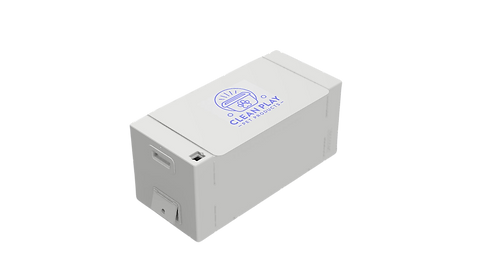
SaniChest uses cold plasma technology to sanitize tools and equipment without chemicals.
Instead of relying on sprays and manual steps, SaniChest delivers:
-
Enclosed, automated cycles
-
No residues, no odours
-
No dilution, no soaking
-
Consistent results regardless of staff experience
Push a button. Let the system do the work.

Where SaniChest Is Used Today
SaniChest is designed for environments where sprays struggle:
-
Grooming salons
-
Veterinary clinics
-
Pet retail stores
-
Shelters & rescues
-
Reptile & breeder facilities
-
Zoos & petting farms
-
Equine & livestock operations
-
Daycares & shared-use facilities
It works alongside existing cleaning protocols — reducing chemical load, labor time, and compliance risk.
The ROI in Plain Terms
Labor:
Less staff time per sanitization cycle
Consumables:
No ongoing chemical purchases
Risk:
Lower chance of sanitation failure due to human error
SaniChest doesn’t replace cleaning — it replaces the most critical, expensive, and inconsistent part of sanitization.

